
Why Most Healthcare AI Fails After the Pilot Phase
AI isn’t failing because it lacks capability. It’s failing because it isn’t consistently reaching the moments where decisions are made.
AI isn’t failing because it lacks capability. It’s failing because it isn’t consistently reaching the moments where decisions are made.
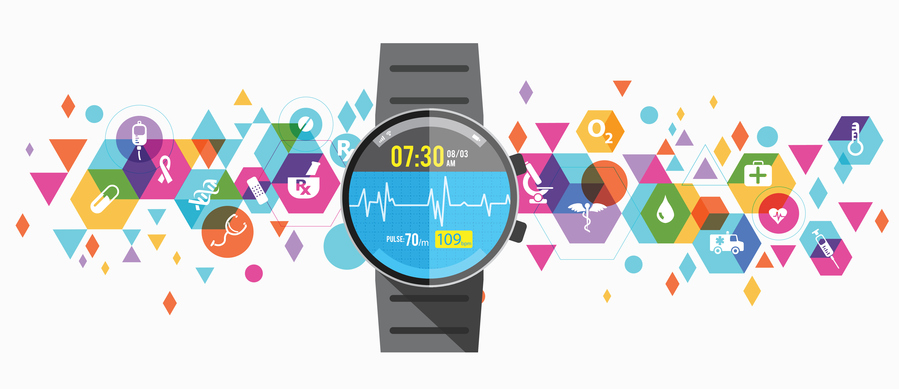
The takeaway from the current failure of wearables is that signal without synthesis doesn't change outcomes. If healthcare treats AI as just another way to collect or repackage data, it will repeat the same mistake.


We have the opportunity to design systems that give people greater capacity for the work where human presence matters most: listening, understanding, reassuring, deciding, and caring.
Retailers may have fallen short in their foray into healthcare, but there are lessons we can take away about where and how primary care innovation has succeeded, how to replicate and scale across the US, and how to engage with members and drive them to the right type of care before they become more sick and expensive for the health ecosystem.

As a leader who has committed much of his career to improving healthcare — an industry that holds millions of people’s lives in its hands — I took from this terrifying incident a new guiding principle. Healthcare needs to pursue a zero-failure rate.

They have often been hailed as the saviors that could free the nation from the problems of our dysfunctional, inefficient and archaic healthcare system. The reality is that these organizations continue to fail in their initiatives, ultimately stifling true healthcare innovation.

CEO Tim Peck confirmed the news to CNBC, saying the company ran out of the cash it needed to continue to scale the business and was laying off roughly 100 employees.

What if health plans could identify member decline before an avoidable hospitalization occurs? Real-time clinical visibility into long-stay SNF members uncovers risk earlier and drives better outcomes.